
Wandering Through Time: Mayan Ruins
There’s something about stepping into the remnants of an ancient civilization that makes time feel… suspended. Walking among Mayan ruins is not just sightseeing—it’s an invitation to slow down, take it all in, and feel the pulse of history beneath your feet. From misty jungles to sun-soaked plazas, the Maya left behind spaces that are both awe-inspiring and deeply intimate.
If you’re like me—someone who loves adventure, quiet corners of the world, and capturing memories through a lens—visiting Tikal, Caracol, Chichen Itza, and the ruins on Cozumel will leave you breathless in more ways than one.
Tikal, Guatemala: A Lost City in the Jungle
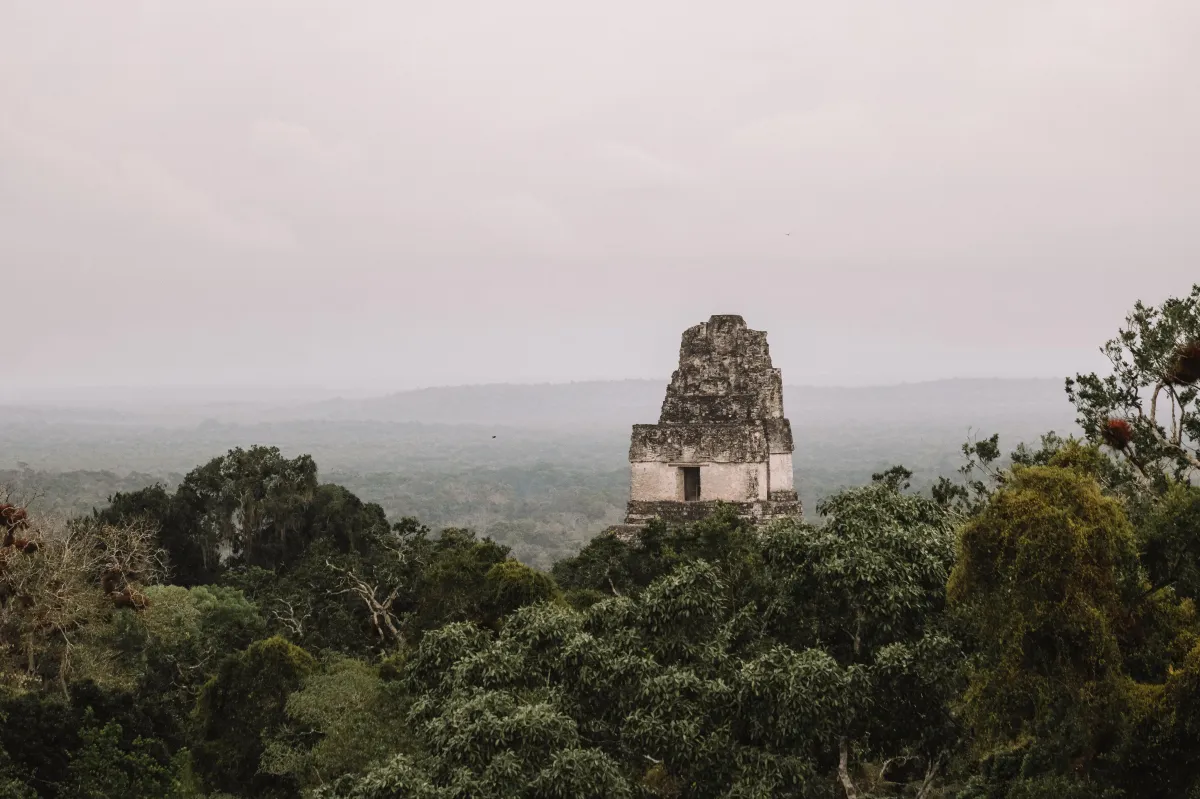
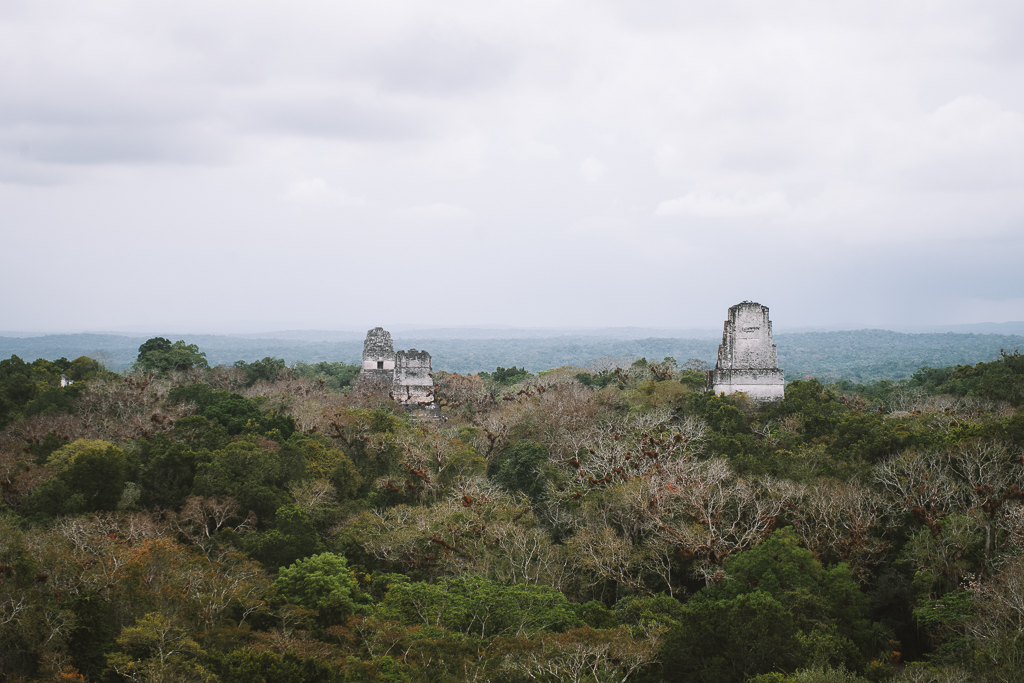
Tikal feels like discovery at its purest. Hidden deep in northern Guatemala’s rainforest, this sprawling ancient city is alive in a way that feels almost magical. The sound of howler monkeys echoes through the trees, toucans flit between temple tops, and the air is thick with history.
From the top of Temple IV, the rainforest stretches endlessly, and it’s easy to imagine what life here might have felt like a thousand years ago.
Travel Tips for Tikal:
Go early: This is a large site with lots to see. Give yourself time to truly appreciate it.
Hire a guide: They reveal the stories behind stelae, temples, and ancient rituals.
Bring binoculars: Wildlife sightings and temple details are easier from above.
Stay nearby: Flores is charming, with cozy lodging and a short drive to the park.
For photographers, Tikal is a dream. Misty mornings, golden light on stone pyramids, and wildlife peeking through the jungle create endless opportunities for unique shots. We even got to experience a lighting storm behind Temple IV.
Caracol, Belize: Adventure in the Heart of the Jungle
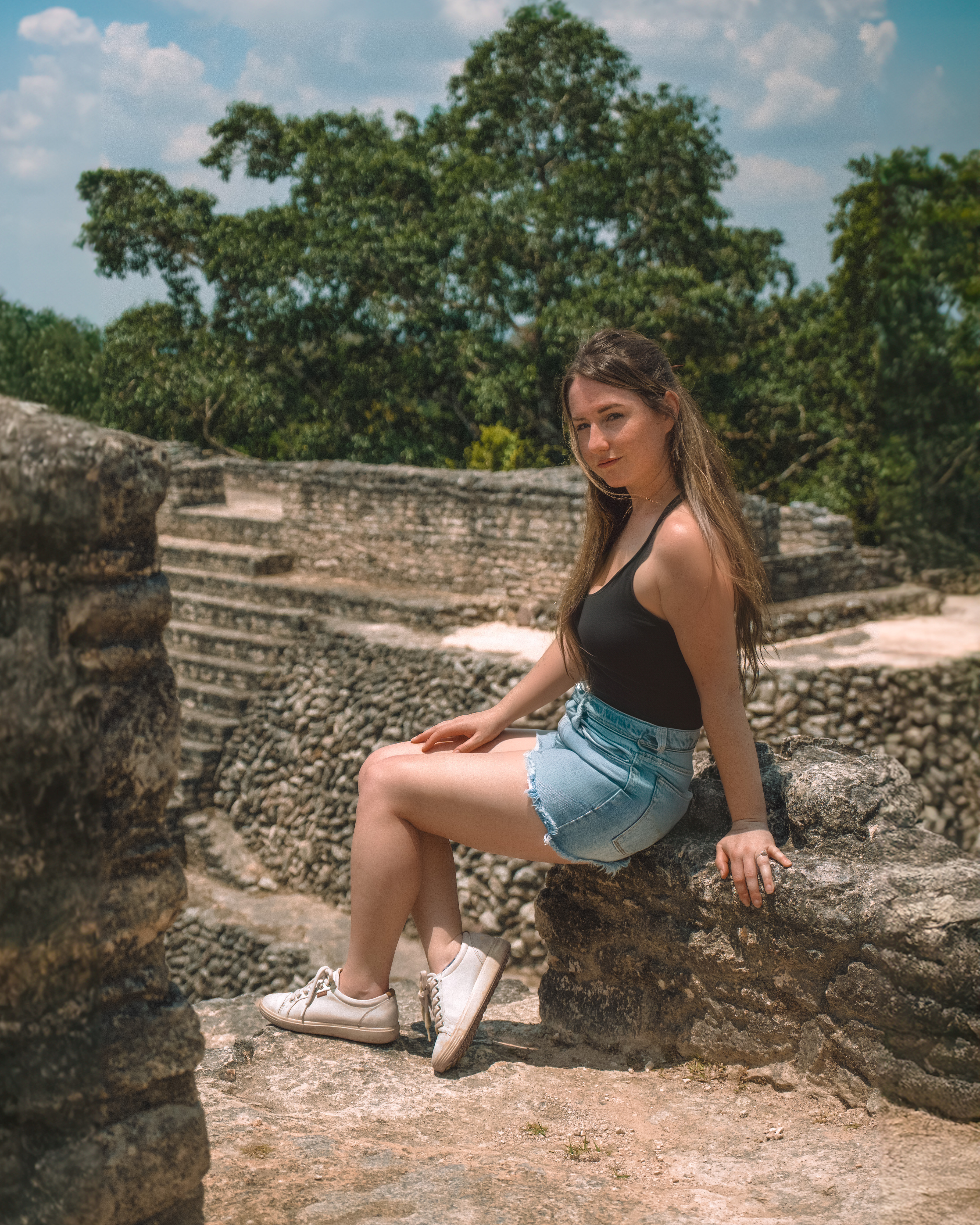
Caracol is everything Tikal is, but wilder. Fewer tourists, more jungle, and an adventure that feels entirely your own. Walking the trails through this massive site, it’s easy to forget that civilization once thrived here—it’s just you, the trees, and the occasional spider monkey.
The Caana pyramid, known as the “Sky Palace,” towers 43 meters above the forest floor. From its summit, the jungle stretches as far as the eye can see, and the sense of scale is humbling.
Travel Tips for Caracol:
Sturdy shoes are a must: Trails are steep and uneven.
Bring water and snacks: Facilities are limited and it can be extremely hot.
Hire a local guide: Their stories breathe life into the ruins. Guides can show you spots you may not spot on your own.
Photography: Capture the contrast between dense green jungle and ancient stone architecture.
Caracol feels like a secret, a place where history, nature, and solitude converge. We only saw maybe a total of 20 people the whole time we were there.
Chichen Itza, Mexico: The Iconic Wonder
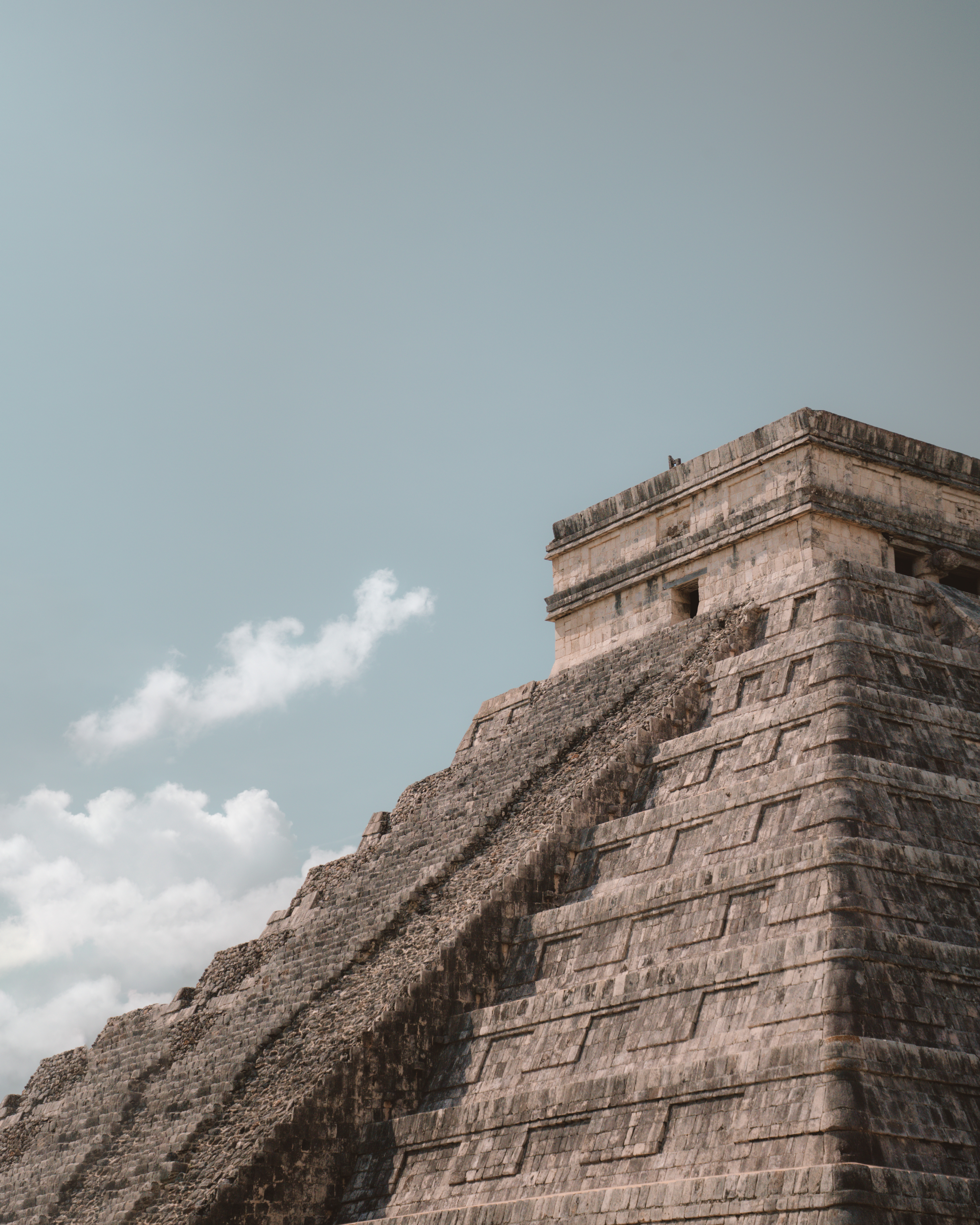
Chichen Itza is the Mayan site most people recognize—and with good reason. The Temple of Kukulcán, or El Castillo, is an engineering marvel, perfectly aligned with the equinox sun to create the illusion of a serpent slithering down the pyramid’s steps.
Unlike the jungle ruins, Chichen Itza is vast and open, with wide plazas, ball courts, and temples that tell the story of Mayan astronomy, religion, and society. It can get crowded, but arriving early or late in the day allows you to find quiet moments and capture the light just right.
Travel Tips for Chichen Itza:
Visit at sunrise or late afternoon: Fewer crowds, softer light.
Hire a guide: The carvings and rituals behind each structure are fascinating when explained.
Bring sun protection and lots of water: Shade is minimal, and the Yucatán sun is strong.
Pair with a cenote visit: Cooling off in nearby Ik Kil or other sacred sinkholes is a must.
Photography tip: look for details—patterns carved into stone, shadows cast by the afternoon sun, or birds nesting in the stonework. It’s in these details that the Maya really come alive.
Cozumel Ruins: Hidden Gems by the Sea
Cozumel is famous for turquoise waters and coral reefs, but it also has quieter Mayan ruins that feel personal and reflective. San Gervasio is the main site, once dedicated to Ix Chel, the goddess of fertility, medicine, and the moon. Walking among the stone temples, it’s easy to feel the spirituality of the place.
Travel Tips for Cozumel:
Rent a scooter or bike: Exploring at your own pace is freeing.
Visit in the morning: Avoid heat and see the ruins bathed in soft light.
Combine with snorkeling: The island’s coral reefs make it easy to blend history and adventure.
For me, the magic of Cozumel is in its quietness. Unlike the crowds at Chichen Itza, you can linger, sit among the stones, and let the history sink in.
Mindful Travel at Mayan Ruins
Part of what makes visiting Mayan ruins so special is the opportunity to slow down. Take a moment to observe carvings, notice the wildlife, feel the warmth of the stone under your hands, and listen to the jungle around you.
Respect the ruins: Don’t climb on fragile structures or leave anything behind.
Observe wildlife quietly: Many sites are protected ecosystems.
Take your time: Don’t rush—let the experience sink in.
Photography mindfully: Capture the moment, but stay present too.
Photography Tips for Capturing Mayan Ruins
If you’re traveling with a camera—or even a phone—Mayan ruins are endlessly photogenic:
Golden hour: Sunrise or sunset creates magical shadows across temples.
Natural frames: Use vines, archways, and jungle foliage for composition.
Panoramas from above: Climbing accessible temples gives sweeping views of jungle and ruins.
Focus on details: Stelae, carvings, and textures tell stories even a wide shot can’t.
Planning Your Mayan Adventure
Best time to visit: Dry season, November–April, for fewer mosquitoes and easier trails.
Transportation: Renting a car or joining guided tours works best for remote sites like Caracol.
Accommodations: Stay close to key ruins to catch sunrise and sunset moments. Flores for Tikal, Valladolid or Mérida for Chichen Itza, and Cozumel for island ruins.
What to pack: Comfortable walking shoes, sun protection, insect repellent, water, and a camera with a zoom lens.
Visiting Mayan ruins is about more than sightseeing. It’s about connecting with history, exploring wild landscapes, and experiencing the beauty of moments both ancient and fleeting. Whether you’re wandering through the misty jungles of Tikal, climbing Caracol’s pyramids, marveling at Chichen Itza, or lingering at Cozumel’s hidden temples, these sites offer adventure, reflection, and inspiration for anyone who travels with curiosity and an open heart.

